Buy surfclub.eu ?
We are moving the project
surfclub.eu .
Are you interested in purchasing the domain
surfclub.eu ?
domain@kv-gmbh.de · 0541-91531010
Buy surfclub.eu ?
What is the difference between double-leaf and single-leaf masonry?
Double-leaf masonry consists of two separate layers of masonry walls with an air gap in between, providing better insulation and soundproofing compared to single-leaf masonry, which is a single layer of masonry. Double-leaf masonry is more structurally stable and can support heavier loads, making it suitable for taller buildings. Single-leaf masonry is simpler and quicker to construct, but it is less effective in terms of insulation and soundproofing. **
How do you calculate the thickness of a layer of gold leaf?
To calculate the thickness of a layer of gold leaf, you can use the formula: thickness = mass / (density * area). First, measure the mass of the gold leaf using a scale. Then, determine the density of gold, which is 19.32 g/cm^3. Finally, measure the area of the gold leaf using a ruler or calipers. Plug these values into the formula to calculate the thickness of the gold leaf layer. **

Similar search terms for Single-leaf Thickness
Top-Angebote
Products related to Single-leaf Thickness:
-
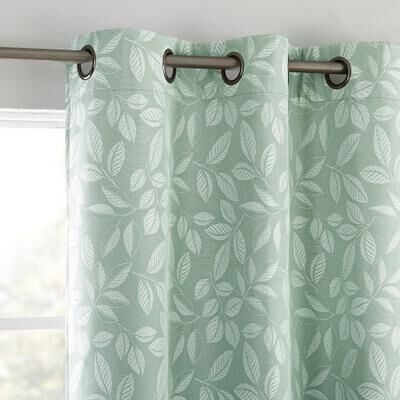
Sun Zero Remi Floral Leaf Print Blackout Grommet Curtain Panel, Single PanelBotanical leaf print design Blackout technology blocks out most unwanted light while enhancing privacy Energy Efficient design reduces energy lost through your windows by up to 25% Thermal properties help keep summer heat and winter chill out of your…26,37 $*Shipping: 0,00 $Secure redirect to the provider
-
Inspired Deals Digital Paint Thickness Gauge And Coating Thickness Meter For Automotive & Metal Inspection Digital Paint Thickness Gauge And Coating Thickness Meter For Automotive & Metal InspectionGet greater confidence in every inspection with accurate coating measurements at your fingertips. The RZEC770 coating thickness meter measures paint and protective layers from 01300 m (051.2 mil), making it useful for automotive checks, workshops,...239,97 $*Shipping: 0,00 $Secure redirect to the provider
-
Sun Zero Satti Embroidered Leaf Total Blackout Grommet 1-Piece Curtain Panel, Single PanelIntricately embroidered leaf pattern adds botanical detail Extreme Thermal Blackout technology blocks out 100% of outside light Thermal properties help keep summer heat and winter chill out of your home Noise reduction up to 40% helps you get a...33,87 $*Shipping: 0,00 $Secure redirect to the provider


-
What is the difference between a shade leaf and a sun leaf?
Shade leaves are typically larger and thinner than sun leaves, as they are adapted to capture as much light as possible in low-light conditions. They also have a higher chlorophyll content to maximize photosynthesis. Sun leaves, on the other hand, are smaller and thicker, with a waxy coating to help reduce water loss and protect against excessive sunlight. They are adapted to withstand the higher light intensity and heat of direct sunlight. **
-
What is the difference between a sun leaf and a shade leaf?
Sun leaves and shade leaves have different adaptations to optimize photosynthesis in their respective environments. Sun leaves are typically smaller, thicker, and have more chlorophyll to capture as much sunlight as possible. They also have a higher density of stomata to facilitate gas exchange. In contrast, shade leaves are larger, thinner, and have less chlorophyll to maximize light absorption in low light conditions. They also have a lower stomatal density to reduce water loss in shaded environments. Overall, these differences allow each type of leaf to efficiently capture and utilize the available light in their specific environment. **
-
What is the difference between shade leaf and sun leaf palisade tissue?
Shade leaf palisade tissue is typically thinner and contains fewer chloroplasts compared to sun leaf palisade tissue. This is because shade leaves are adapted to lower light conditions and therefore need to maximize light absorption. Sun leaf palisade tissue, on the other hand, is thicker and contains more chloroplasts to capture and utilize the abundant sunlight. These differences in palisade tissue structure and chloroplast density allow plants to efficiently photosynthesize in their respective light environments. **
-
How do you determine the necessary board thickness?
The necessary board thickness is determined based on the intended use of the board and the weight it needs to support. For example, if the board is intended for heavy-duty use or to support a lot of weight, a thicker board would be necessary. Additionally, the type of material used for the board will also impact the necessary thickness. It's important to consider the load capacity and the structural requirements to ensure the board is strong and durable enough for its intended use. **

What paper thickness is recommended for overlays in board games?
The recommended paper thickness for overlays in board games is typically around 300-350gsm (grams per square meter). This thickness provides a sturdy and durable overlay that can withstand repeated handling and gameplay. It also offers a good balance between flexibility and rigidity, allowing the overlay to lay flat on the game board while still being easy to handle and manipulate. Thicker paper may be used for more heavy-duty overlays, but 300-350gsm is a common and practical choice for most board game overlays. **
What pen thickness?
The pen thickness depends on the specific application and personal preference. For writing, a medium or fine point pen is commonly used for its precision and readability. For drawing or sketching, a thicker pen or marker may be preferred to create bold lines and add depth to the artwork. Ultimately, the best pen thickness is the one that feels comfortable and suits the intended purpose of the writing or drawing. **
Top-Angebote
Products related to Single-leaf Thickness:
-
Sun Zero Remi Floral Leaf Print Blackout Grommet Curtain Panel, Single PanelBotanical leaf print design Blackout technology blocks out most unwanted light while enhancing privacy Energy Efficient design reduces energy lost through your windows by up to 25% Thermal properties help keep summer heat and winter chill out of your…26,37 $*Shipping: 0,00 $Secure redirect to the provider
-
What is the difference between double-leaf and single-leaf masonry?
Double-leaf masonry consists of two separate layers of masonry walls with an air gap in between, providing better insulation and soundproofing compared to single-leaf masonry, which is a single layer of masonry. Double-leaf masonry is more structurally stable and can support heavier loads, making it suitable for taller buildings. Single-leaf masonry is simpler and quicker to construct, but it is less effective in terms of insulation and soundproofing. **
-
How do you calculate the thickness of a layer of gold leaf?
To calculate the thickness of a layer of gold leaf, you can use the formula: thickness = mass / (density * area). First, measure the mass of the gold leaf using a scale. Then, determine the density of gold, which is 19.32 g/cm^3. Finally, measure the area of the gold leaf using a ruler or calipers. Plug these values into the formula to calculate the thickness of the gold leaf layer. **
-
What is the difference between a shade leaf and a sun leaf?
Shade leaves are typically larger and thinner than sun leaves, as they are adapted to capture as much light as possible in low-light conditions. They also have a higher chlorophyll content to maximize photosynthesis. Sun leaves, on the other hand, are smaller and thicker, with a waxy coating to help reduce water loss and protect against excessive sunlight. They are adapted to withstand the higher light intensity and heat of direct sunlight. **
-
What is the difference between a sun leaf and a shade leaf?
Sun leaves and shade leaves have different adaptations to optimize photosynthesis in their respective environments. Sun leaves are typically smaller, thicker, and have more chlorophyll to capture as much sunlight as possible. They also have a higher density of stomata to facilitate gas exchange. In contrast, shade leaves are larger, thinner, and have less chlorophyll to maximize light absorption in low light conditions. They also have a lower stomatal density to reduce water loss in shaded environments. Overall, these differences allow each type of leaf to efficiently capture and utilize the available light in their specific environment. **
Similar search terms for Single-leaf Thickness
-
Inspired Deals Digital Paint Thickness Gauge And Coating Thickness Meter For Automotive & Metal Inspection Digital Paint Thickness Gauge And Coating Thickness Meter For Automotive & Metal InspectionGet greater confidence in every inspection with accurate coating measurements at your fingertips. The RZEC770 coating thickness meter measures paint and protective layers from 01300 m (051.2 mil), making it useful for automotive checks, workshops,...239,97 $*Shipping: 0,00 $Secure redirect to the provider
-
Sun Zero Satti Embroidered Leaf Total Blackout Grommet 1-Piece Curtain Panel, Single PanelIntricately embroidered leaf pattern adds botanical detail Extreme Thermal Blackout technology blocks out 100% of outside light Thermal properties help keep summer heat and winter chill out of your home Noise reduction up to 40% helps you get a...33,87 $*Shipping: 0,00 $Secure redirect to the provider
-
Sun Zero Remi Floral Leaf Print Blackout Grommet Curtain Panel, Single PanelBotanical leaf print design Blackout technology blocks out most unwanted light while enhancing privacy Energy Efficient design reduces energy lost through your windows by up to 25% Thermal properties help keep summer heat and winter chill out of your…24,91 $*Shipping: 0,00 $Secure redirect to the provider
-
Sun Zero Satti Embroidered Leaf Total Blackout Grommet 1-Piece Curtain Panel, Single PanelIntricately embroidered leaf pattern adds botanical detail Extreme Thermal Blackout technology blocks out 100% of outside light Thermal properties help keep summer heat and winter chill out of your home Noise reduction up to 40% helps you get a...30,02 $*Shipping: 0,00 $Secure redirect to the provider
-
What is the difference between shade leaf and sun leaf palisade tissue?
Shade leaf palisade tissue is typically thinner and contains fewer chloroplasts compared to sun leaf palisade tissue. This is because shade leaves are adapted to lower light conditions and therefore need to maximize light absorption. Sun leaf palisade tissue, on the other hand, is thicker and contains more chloroplasts to capture and utilize the abundant sunlight. These differences in palisade tissue structure and chloroplast density allow plants to efficiently photosynthesize in their respective light environments. **
-
How do you determine the necessary board thickness?
The necessary board thickness is determined based on the intended use of the board and the weight it needs to support. For example, if the board is intended for heavy-duty use or to support a lot of weight, a thicker board would be necessary. Additionally, the type of material used for the board will also impact the necessary thickness. It's important to consider the load capacity and the structural requirements to ensure the board is strong and durable enough for its intended use. **
-
What paper thickness is recommended for overlays in board games?
The recommended paper thickness for overlays in board games is typically around 300-350gsm (grams per square meter). This thickness provides a sturdy and durable overlay that can withstand repeated handling and gameplay. It also offers a good balance between flexibility and rigidity, allowing the overlay to lay flat on the game board while still being easy to handle and manipulate. Thicker paper may be used for more heavy-duty overlays, but 300-350gsm is a common and practical choice for most board game overlays. **
-
What pen thickness?
The pen thickness depends on the specific application and personal preference. For writing, a medium or fine point pen is commonly used for its precision and readability. For drawing or sketching, a thicker pen or marker may be preferred to create bold lines and add depth to the artwork. Ultimately, the best pen thickness is the one that feels comfortable and suits the intended purpose of the writing or drawing. **
* All prices are inclusive of VAT and, if applicable, plus shipping costs. The offer information is based on the details provided by the respective shop and is updated through automated processes. Real-time updates do not occur, so deviations can occur in individual cases. ** Note: Parts of this content were created by AI.